

When you picture a desert, your mind likely conjures images of vast, sun-scorched expanses of sand where life struggles to find a foothold. But across the United States, a different, quieter kind of desert is expanding. It doesn’t look like the American Southwest; it looks like a suburban strip mall with missing storefronts, a historic urban neighborhood whose local grocery store quietly shut down last winter, or a sweeping rural farming county where the nearest fresh produce is a 45-minute drive away.
These are food deserts—geographic areas where access to affordable, healthy, and nutritious food is limited or non-existent.
At We Care US, our nationwide logistics network allows us to see the full scope of this crisis. From our central hub in Sandusky, Ohio, to the farthest corners of the country, food insecurity is no longer a localized issue. It is a growing national emergency hiding in plain sight.
Defining the “Hidden” Desert
According to the United States Department of Agriculture (USDA), a food desert is defined by two primary metrics: income and proximity.
| Landscape Type | Low-Access Threshold | The Reality on the Ground |
| Urban Food Deserts | At least 1 mile from the nearest supermarket. | Families without reliable vehicles must rely on public transit or local convenience stores, where shelves are packed with processed foods and fresh produce is non-existent. |
| Rural Food Deserts | At least 10 miles from the nearest supermarket. | Despite being surrounded by agricultural land, rural residents often live in areas where local grocers have been priced out, forcing long, expensive commutes just to buy basic groceries. |
When a neighborhood loses its grocery store, it doesn’t just lose food—it loses its foundational health. Fast food chains and dollar stores quickly fill the vacuum. The result isn’t a lack of calories; it’s a lack of nutrition, which directly accelerates chronic health crises like diabetes, hypertension, and childhood malnutrition across the nation.
[Grocery Store Closure] ──> [Convenience Store Reliance] ──> [Nutritional Deprivation] ──> [Systemic Health Crisis]
The Dual Front: Urban vs. Rural Insecurity
Food insecurity is a master of disguise, presenting entirely different challenges depending on the geography of the community.
1. The Urban Concrete Jungle
In densely populated cities, the barrier isn’t necessarily physical distance in the traditional sense—a mile might seem short on paper. But for a single working parent juggling multiple jobs without a car, traveling a mile each way with heavy grocery bags on a city bus is a massive logistical hurdle. In these concrete deserts, the cost of living forces families to make impossible choices between paying rent or buying fresh groceries.
2. The Isolated Rural Heartland
Conversely, in rural America, the distance is vast. As independent grocery stores in small towns close down due to shifting economic pressures, residents find themselves entirely isolated. Paradoxically, the very regions growing the crops that feed the country often suffer from the highest rates of localized food insecurity because the supply chains are built to ship food away to major metro hubs rather than keeping it local.
How We Care US Maps and Bridges the Gap
At We Care US, we believe that geographic location should never dictate a family’s nutritional health. Operating from our central logistics command in Sandusky, we utilize a data-driven approach to locate these hidden deserts and deploy targeted intervention strategies.
Our Three-Step Intervention Framework
- Data Mapping: We cross-reference USDA low-access data with localized poverty indexes to pinpoint communities hit hardest by sudden grocery closures or systemic supply chain gaps.
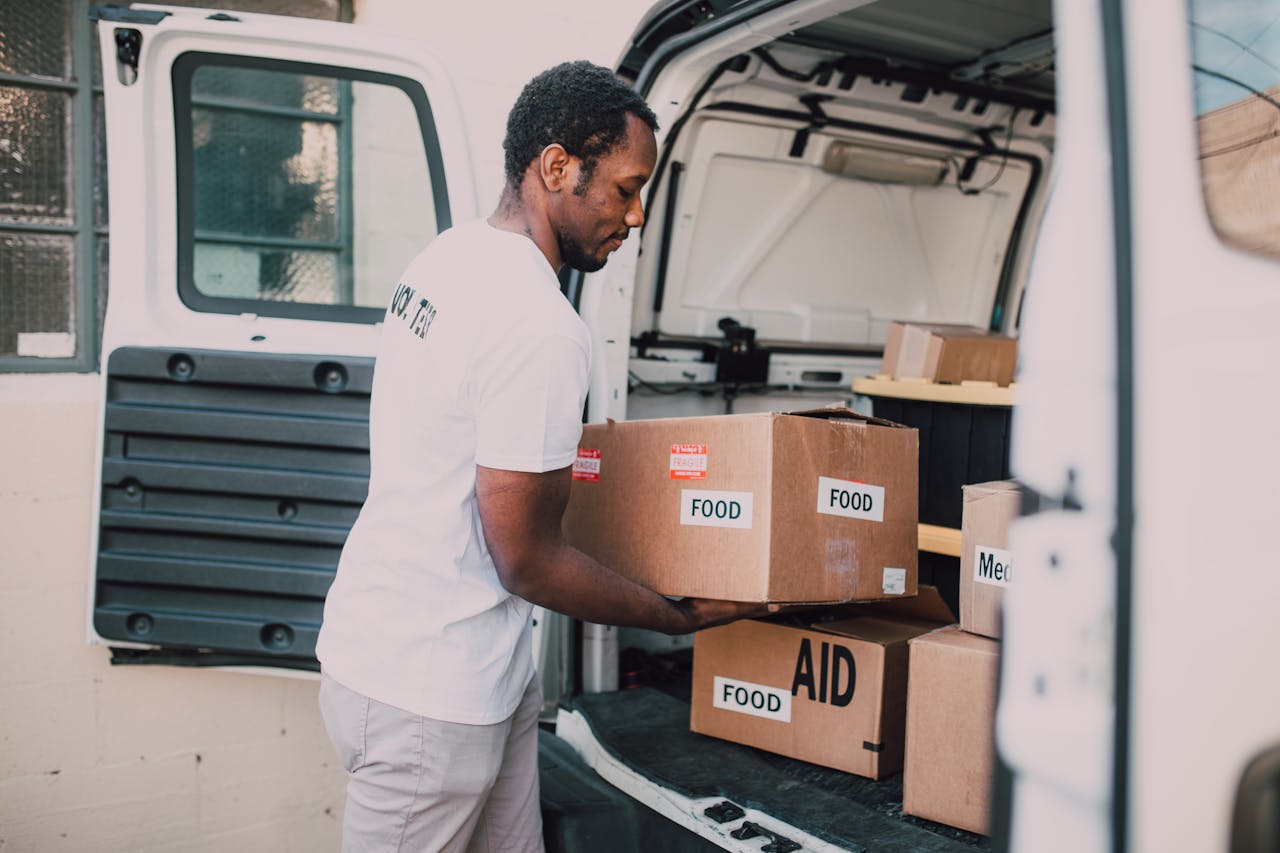
- Mobile Resource Deployments: Instead of waiting for families to find a way to us, we take our operations on the road. Our fleet of mobile pantries delivers fresh produce, lean proteins, and dairy products directly into the heart of rural and urban food deserts.
- The Local Anchor Blueprint: Through our Sandusky Anchor Initiative, we test community-driven models—like pop-up farmers’ markets and local food locker systems—refining them in Erie County before scaling them to partner networks across all 50 states.
The Path Forward: Moving from Relief to Resilience
Emergency food distribution is a vital band-aid, but ending the crisis of hidden deserts requires building long-term community resilience. We Care US works alongside local leaders to introduce sustainable solutions, such as supporting urban community gardens, establishing rural food cooperatives, and providing nutritional literacy workshops.
The crisis of food insecurity is growing, but so is our capacity to respond. By shifting resources dynamically across state lines and maximizing our central Midwest hub, we are working toward an America where fresh, healthy food is a fundamental right, not a geographic privilege.